

The Complete Silverskiff Regatta Guide: Expert Tips for the World’s Premier Endurance Rowing Event (2025)

Introduction: The Legend of Silverskiff
The Silverskiff regatta stands as the crown jewel of endurance rowing competitions worldwide. Set against the stunning backdrop of Turin, Italy, this legendary 11km single sculls race along the Po River challenges even the most accomplished rowers with its unique combination of distance, technical demands, and competitive field.
With three months remaining until Silverskiff 2025, anticipation is building despite recent challenges.
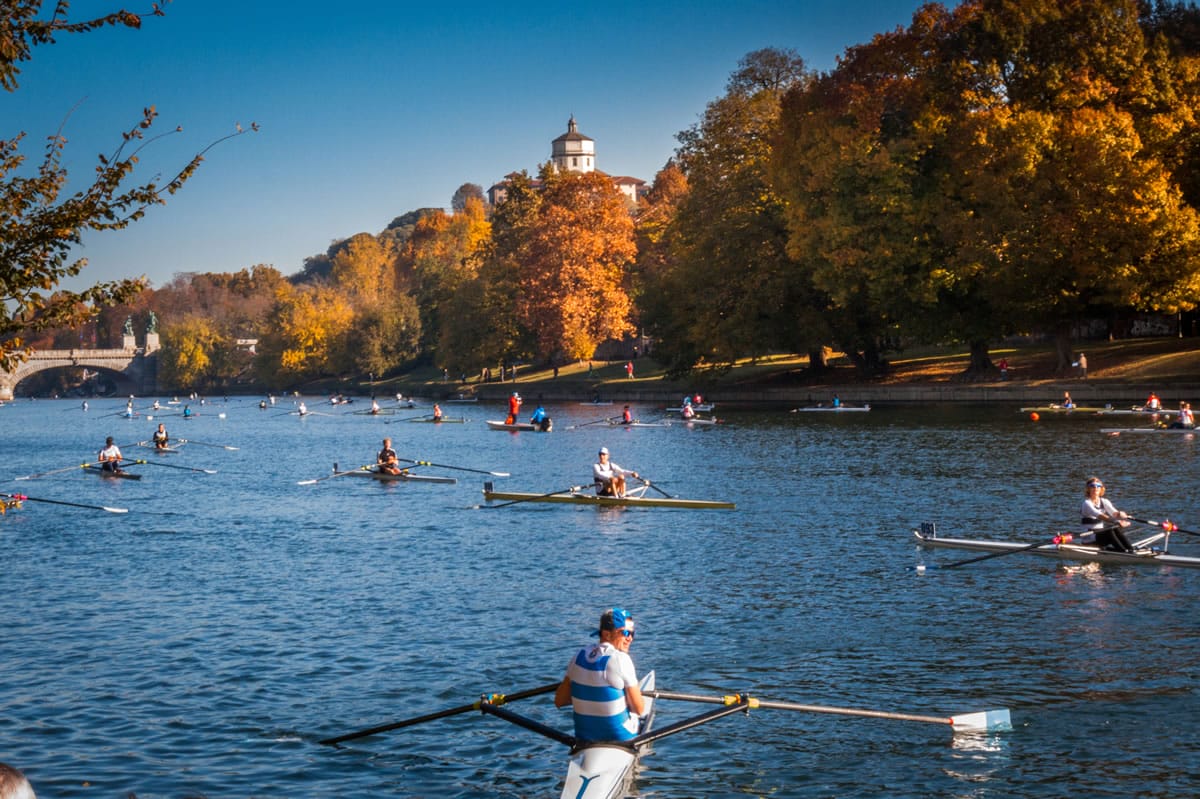
This comprehensive guide compiles elite-level insights from past champions, experienced coaches, and the event’s founder himself, Vittorio Soave, to help you achieve your personal best at this prestigious event.
The History of Silverskiff: A Turin Tradition
Established in 1992 by Vittorio Soave, the Silverskiff began as a small local competition but quickly gained international recognition for its challenging format and stunning route. What sets Silverskiff apart is its unique time-trial format, where rowers compete against the clock rather than directly against each other:
Over three decades, the event has attracted Olympic champions and amateur enthusiasts alike, growing from a few dozen participants to nearly 700 rowers from over 30 countries. Notable winners include rowing legends Olaf Tufte, Mahé Drysdale, and Ekaterina Karsten, who have all praised the event’s challenging nature and exceptional organization.
Event Details: Everything You Need to Know
Date: November 8-9, 2025
Location: Po River, Turin, Italy
Distance: 11km (5.5km out and back with turning point)
Categories: Junior, Senior, Master (multiple age groups), Para-Rowing
Registration Deadline: October 15, 2025
Official Website: www.silverskiff.org
The event features two main competitions:
- Kinderskiff (4km race for younger athletes, held on Saturday November 8)
- Silverskiff (11km main event, held on Sunday November 9)
Registration is capped at 700 participants and often fills up weeks before the deadline, so early registration is strongly recommended.
SilverVintage: Celebrating Rowing Heritage
Introduced in recent years, the SilverVintage has quickly become a beloved part of the Silverskiff weekend, celebrating rowing’s rich heritage. This special competition features elegant wooden boats manufactured before 1992, with participants often dressing in period-appropriate attire.
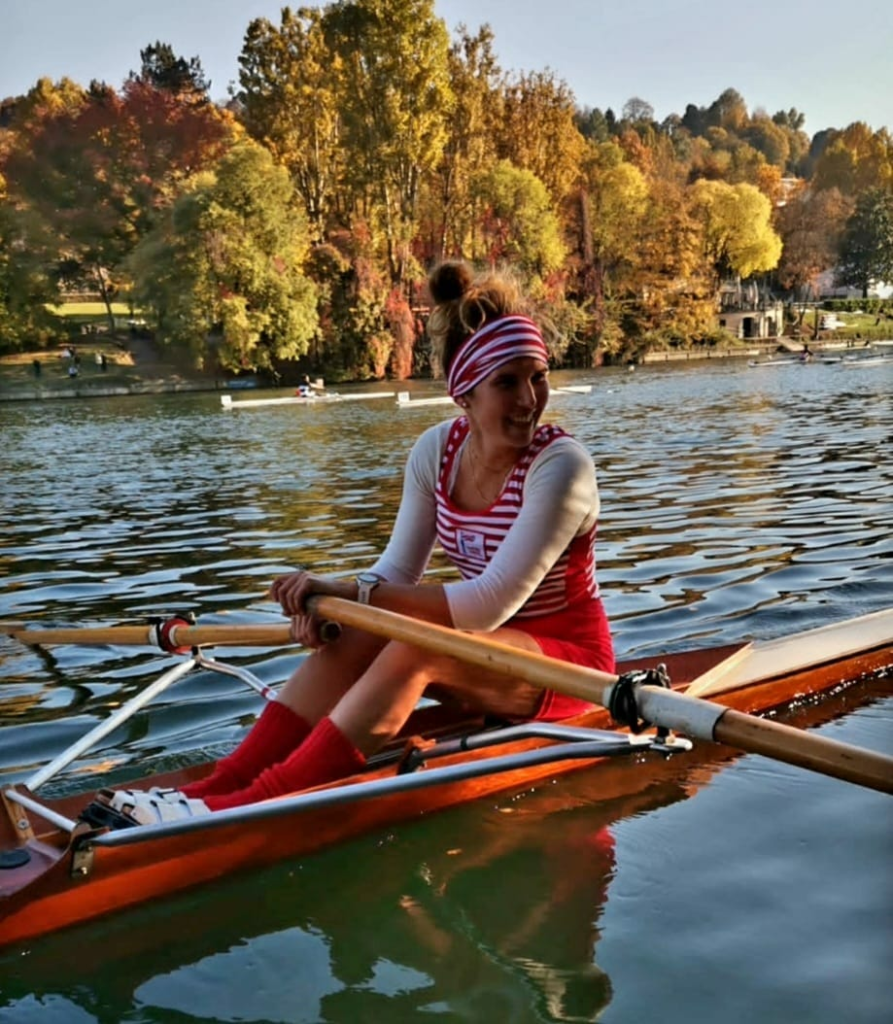
The event attracts high-caliber competitors, including Olympic champions like Valentina Rodini, who competed against national team member Stefania Gobbi.
SilverVintage offers a unique opportunity to celebrate rowing’s elegance while honoring its past, creating a visual spectacle that complements the weekend’s competitive atmosphere. The race has gained popularity each year, with growing participation numbers and increasing prestige.
Course Guide: Mastering the Po River Challenge
Course Breakdown
The Silverskiff course begins at the historic Società Canottieri Cerea (Turin’s oldest rowing club) and extends 5.5km upstream before reaching the turning buoy. Competitors then row back downstream to finish at the starting point. This seemingly simple route hides numerous technical challenges that have humbled even world champions.

Key landmarks include:
- Starting Point: Società Canottieri Cerea (established 1863)
- 1km Mark: Umberto I Bridge (note the challenging current patterns)
- 2.5km Mark: Isabella Bridge (narrow passage requiring precision)
- 4km Mark: Passerella Olympic Bridge (site of the 2006 Winter Olympics)
- 5.5km Mark: Turning Buoy (critical technical challenge)
The river width varies from 60-100 meters, with several bridges creating technical challenges. Current strength varies depending on seasonal water levels, with late autumn typically featuring moderate flow rates.
Leonardo Stefanelli, experienced rower and secretary of organising committee of Silverskiff, shares a vital tip: A few days before the race, Coach Bruno and Caterina place the buoys on the river. The evening before, you can cycle along the Silverskiff race course to commit it to memory.” This level of course familiarity gives regular participants a significant advantage.
Course Preview
Below are video tours of the entire Silverskiff course from past competitors, where you can see the critical turning point, optimal racing lines, and potential hazards.
Pre-Race Preparation: Setting Yourself Up for Success
1. COURSE FAMILIARITY: Knowledge Is Power
Understanding the Silverskiff course isn’t just helpful—it’s essential for competitive success. Veteran rowers consistently cite course knowledge as their most significant advantage.
Silverskiff 2023 Silver Medalist (Masters category) and Rowing Coach Emanuele emphasizes: “You must be very attentive to maintain the right direction—use landmarks as reference points.” This simple but crucial advice has helped countless rowers navigate the course efficiently.
Expert Recommendations:
- Study the official course map, noting precise locations of all bridges and turning points
- Walk or cycle the entire course at least once before race day
- Pay special attention to the turning buoy area and practice your approach
- Identify visual landmarks to maintain optimal course positioning
- Note areas where current tends to be strongest based on recent conditions
- Practice portions of the course that align with your technical weaknesses
Vittorio Soave, founder of Silverskiff, advises: “Make sure you row the Silverskiff course once every 10 days during your training—don’t overdo it and tire yourself too much. In the last 3-4 days before the race, row the course but without pushing hard. It’s important to track your time and see improvement every 8-9 days.”
2. TARGETED TRAINING: Endurance With Intelligence
Unlike standard 2000m races, Silverskiff demands specialized training. With race times typically ranging from 40-60 minutes, your preparation must balance endurance, technical efficiency, and strategic pacing.
Coach Bruno explains the concept of endurance training for Silverskiff: “Training should be long, for example 45 minutes, but not at maximum effort—slightly below your limit. But you need to find your limit first, whether it’s a 2:30 or 2:45 pace.”
Recommended Training Protocol:
- Base Building: 3-4 weekly sessions of 60-90 minutes at 65-75% max effort
- Threshold Development: 2 weekly sessions at race pace, 1-2 sessions of interval training
- Race Simulation: Weekly full-course simulation at planned race intensity
- Complementary Training: Targeted strength work for quadriceps, core, and posterior chain
Dr. Vincenzo Villari, Silverskiff referee, experienced rower and the Referee of the Year of the Italian Rowing Federation for 2024, adds important nuance:
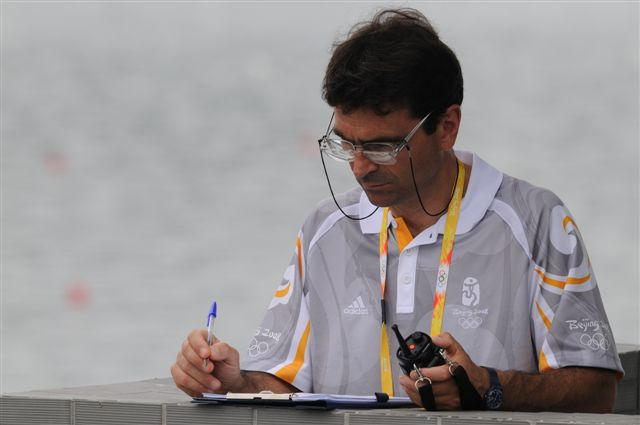
“You must identify your limiting factor and work on it—maybe it’s technique initially. To prepare for a race, it’s not enough just to row; you need a structured program. And when training in a single, it’s important to have a training partner. Rowing alone is less effective and much harder; with a partner, it’s easier.”
Kjetil Borch, 2021 Olympic silver medalist and Silverskiff participant, shared in a rowing magazine interview: “Silverskiff demands a unique combination of aerobic capacity and technical efficiency. The length of the course exposes any flaws in your rowing.”
Self-Assessment Questions:
- After long training pieces, what body parts fatigue first?
- How does your technique deteriorate after 25-30 minutes of continuous rowing?
- At what stroke rate can you maintain maximum efficiency?
- How effectively can you handle variable conditions?
3. EQUIPMENT OPTIMIZATION: Rigging for Endurance
Silverskiff’s unique demands often require equipment adjustments from standard racing setups.
Expert Recommendations:
- Gearing: Consider using a slightly heavier gearing than for 2K racing
- Blade Choice: Many competitors prefer larger surface area for better catch in variable conditions
- Seat Padding: Extra cushioning may benefit those not accustomed to extended racing
- Hull Selection: Prioritize stability and comfort over absolute speed
- Electronics: Ensure your NK, SpeedCoach or similar device is properly calibrated
Ex- Silverskiff participant Marco from Cerea Rowing Club emphasizes the importance of “maintaining a consistent, long stroke” throughout the race—a technique that requires both proper rigging and specific training.
Race Day Strategy: Executing Your Perfect Silverskiff
4. PACING & POWER MANAGEMENT: The Key to 11km Success
Silverskiff is fundamentally an endurance rowing regatta of disciplined energy distribution. The most common mistake—especially among first-time participants—is starting too aggressively.
Castelnuovo Andrea, lawyer and Silverskiff veteran, offers this vital perspective: “It’s an endurance race, an extremely long race, a sort of marathon. You shouldn’t approach it with the intensity and stroke rate you would use in a normal 1000m masters race or a standard 2000m competitive race. Don’t give everything in the first 250m or even the first 4000m because you risk blowing up and dying. The secret is to calibrate your strength to give your maximum for all 11km: Consistency is much better than seeking intensity peaks.”
Vittorio, the race founder, suggests a more nuanced approach: “Make a very fast start for 300-400m until near Isabella Bridge, then lengthen out, concentrate deeply, forget everything around you, almost enter a zen-like state.”
Optimal Pacing Strategy:
- First 400m: Fast start to establish position (as Vittorio suggests)
- Middle Section: Find your rhythm and focus on technique
- Final Stretch: Push in the last 30-40 seconds to gain crucial seconds
Castelnuovo Andrea, lawyer and Silverskiff veteran, adds from personal experience: “Whether you’re an athlete who rows single every day or not, the difference can be just 30 seconds between going all out and taking a more measured approach.”
5. TRAFFIC NAVIGATION: Staying Safe While Staying Fast
With nearly 700 competitors in total each year, Silverskiff presents unique navigational challenges. Furthermore, the two-way traffic pattern requires vigilance and strategy.
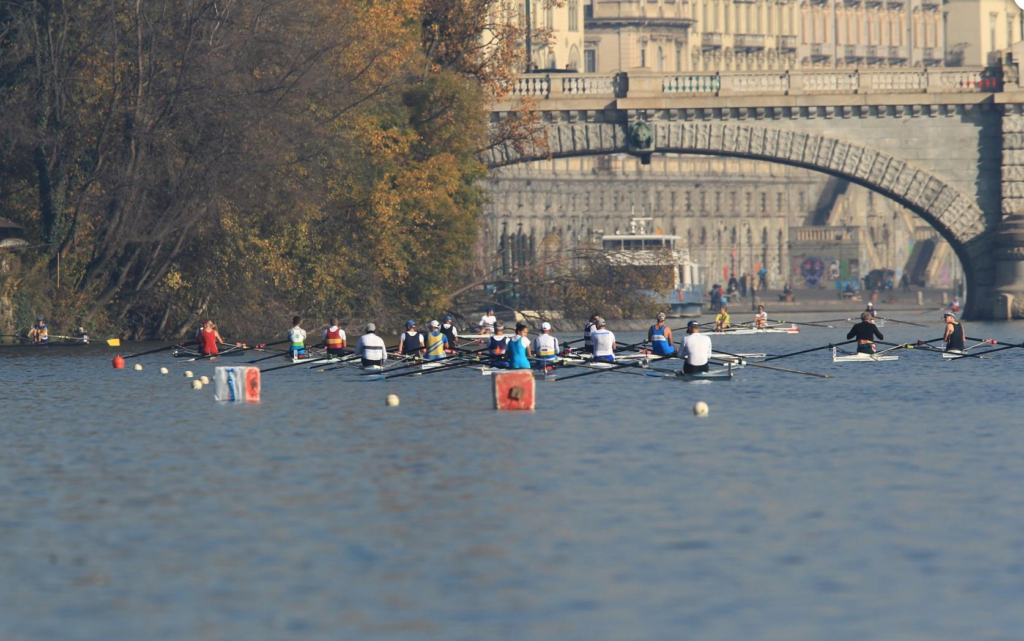
Castelnuovo Andrea, lawyer and Silverskiff veteran, describes the challenge vividly: “There are countless rowers around you—those better than you overtaking you, those less skilled that you must overtake, those rowing alongside you, those turning, those going in the wrong direction—so you must think as if you’re running on a highway but it’s actually like city traffic, requiring eyes open front, back, and to the sides.”
Vittorio offers practical advice: “Try to distance yourself from those approaching you, or they’ll make you nervous. Find your own rhythm—young rowers might go at 30 strokes per minute, while in recent years I’ve been at 24-26.”
6. TURNING TECHNIQUE: Mastering the Critical Pivot
The turning buoy represents both the midpoint of the race and often its most technically challenging moment. A clean, efficient turn can gain several seconds over competitors, while a poor execution can sabotage an otherwise strong performance.
Vittorio Soave shares his expert turning technique: “Learn the curves well—there are buoys along all the curves. If you start widening too much, you’ll end up with your oars hitting the buoys and lose time. So learn the course well, even without pushing hard, memorize it. When you reach the turning point, that’s where you gain or lose time—you must know how to turn.”
He continues with specific advice: “If you approach too tightly, when you start turning, you’ll go wide. You should widen a bit first, then close towards the buoy. From the first red buoy, count your strokes—I usually count 15 strokes, and at the 15th stroke, I turn without looking. Never stop rowing—with the left blade planted in the water, continue with the right, without ever stopping, then restart quickly.”
Sara Bertolasi, Italian Olympian and Silverskiff participant, shared in an interview: “The turning buoy at Silverskiff separates the good from the great. A clean turn can save precious seconds, but more importantly, it sets you up with good momentum for the return journey.”
Weather Considerations: Preparing for All Conditions
Turin’s November weather typically features temperatures between 5-12°C (41-54°F), with moderate humidity and occasional fog, especially in early morning. Rain is possible, and wind conditions vary significantly year to year.

The Po River’s flow rate depends heavily on recent precipitation. The 2025 race is expected to feature moderate current following the recent rains, potentially favoring stronger rowers on the upstream portion.
Weather Preparation Checklist:
- Multiple layering options for varying temperatures
- Waterproof bag for pre/post-race clothing
- Consideration of blade size based on expected wind conditions
- Adequate warm-up routine for cold conditions
- Hydration strategy appropriate for temperature and effort level
Post-Race Recovery: Maximizing Your Silverskiff Experience
After completing the challenging 11km course, proper recovery ensures you can fully enjoy the celebratory atmosphere that makes Silverskiff special.
Recovery Protocol:
- Immediate refueling with 3:1 carbohydrate to protein ratio
- Active cool-down of 10-15 minutes
- Structured hydration over 4-6 hours post-race
- Contrast therapy (alternating hot/cold) if available
- Light mobility work in the evening
Most participants gather at the historic rowing clubs along the Po for post-race meals and celebration. This social aspect represents one of Silverskiff’s most cherished traditions.
Testimonials & Tips From Past Champions
Martin Sinkovic, Olympic gold medalist and Silverskiff 2024 winner shared: “It’s always a pleasure to participate in the Silverskiff. The atmosphere is beautiful, as is the city.”

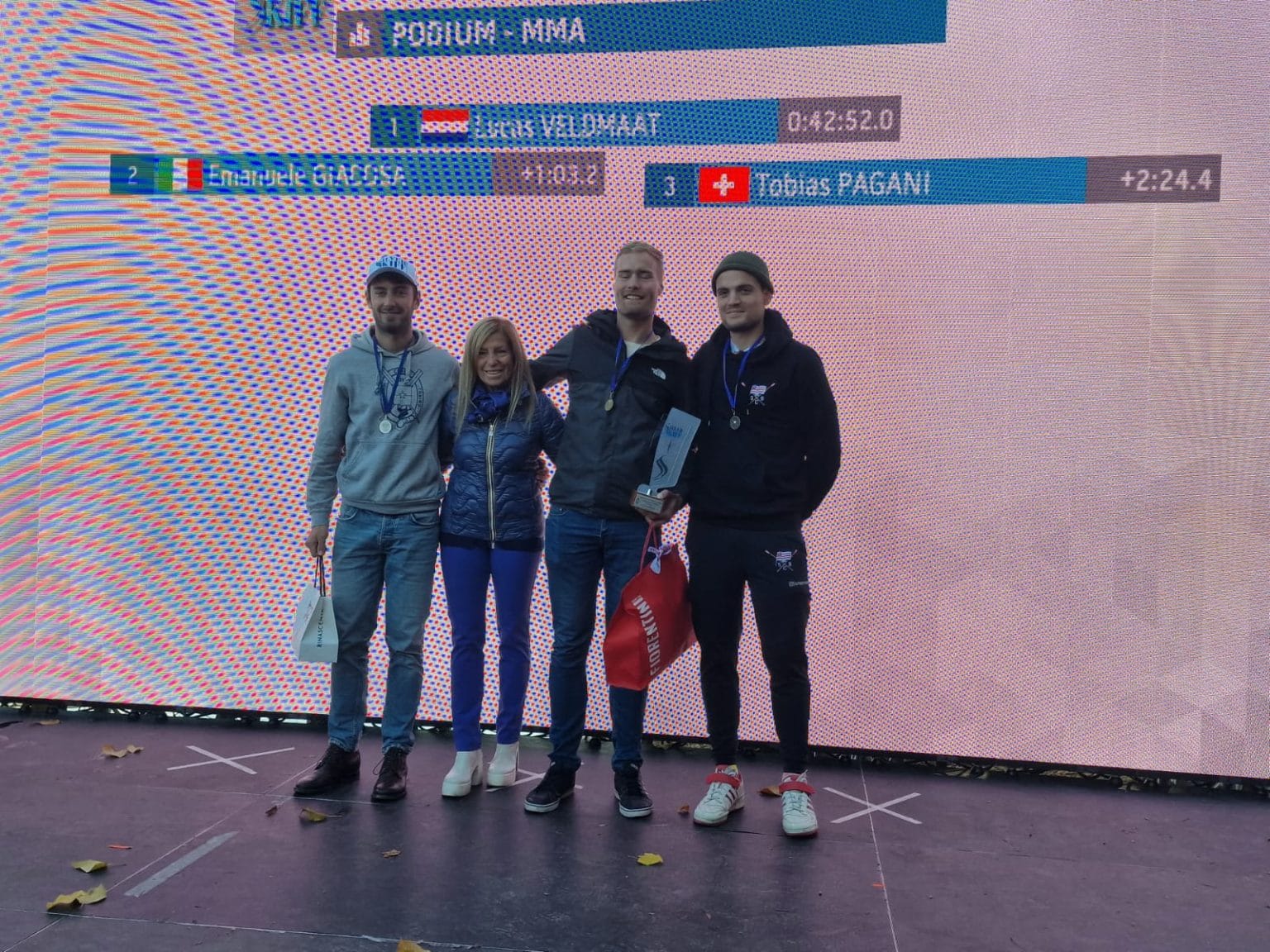
Silverskiff 2023 Silver Medalist (Masters category) and rowing coach Emanuele Giacosa offers a tip: “The buoy is small, the turn is tight, there’s limited space, and many people around. Not everyone knows how to do it properly.”
Silverskiff Record Times
The Silverskiff course has challenged the world’s best rowers for decades, with these standing course records representing the pinnacle of achievement:
Men’s Record
Gabriel SOARES (Marina Militare, Italy)
Time: 40’16″748
Established: 2022
Status: Unbeaten
Women’s Record
Elisabetta BRUGO (S.C. Esperia, Italy)
Time: 43’11″000
Established: 2001
Status: Unbeaten for over two decades
These remarkable times demonstrate the exceptional skill and endurance required to excel at Silverskiff, with Brugo’s long-standing women’s record particularly impressive for its longevity in the sport.
Frequently Asked Questions
Q: How does Silverskiff differ from standard head races?
A: Unlike typical head races, Silverskiff features a turning point at the halfway mark, creating unique technical challenges and two-way traffic patterns.
Q: What happens in case of extreme weather?
A: The organizers may modify the course or, in rare cases, reschedule the event. Decisions are typically announced 48 hours before race day.
Q: Is there a minimum qualification time?
A: No formal qualification time exists, but participants should be capable of completing the 11km distance in under 75 minutes.
Q: Are there boat rental options?
A: Several local clubs offer boat rental with advance reservation. Contact information is available on the official Silverskiff website.
Q: What support is available on the course?
A: Safety boats are positioned throughout the course, and medical support is available at the start/finish area.
Q: How do I know my start time?
A: Starting grids are typically published on the Silverskiff official website a few days before the race. Check the 2025 Starting Grid here.
Stay Updated with Silverskiff News & Art of Rowing Italia
Subscribe to our newsletter to receive last-minute course and weather updates
Questions? Contact me at [email protected]
Written by Wenlin Tan, with generous contributions from Coaches and veteran members of Reale Società Canottieri Cerea: Coach Federico Vitale, Coach Bruno Coero, Coach Emanuele Giacosa, Enzo (Vincenzo), Marco, safeguarding officer Leo Stefanelli, Castelnuovo Andrea, and Vittorio Soave, founder of Silverskiff.
Last updated: 5 November 2025